July 23, 2026
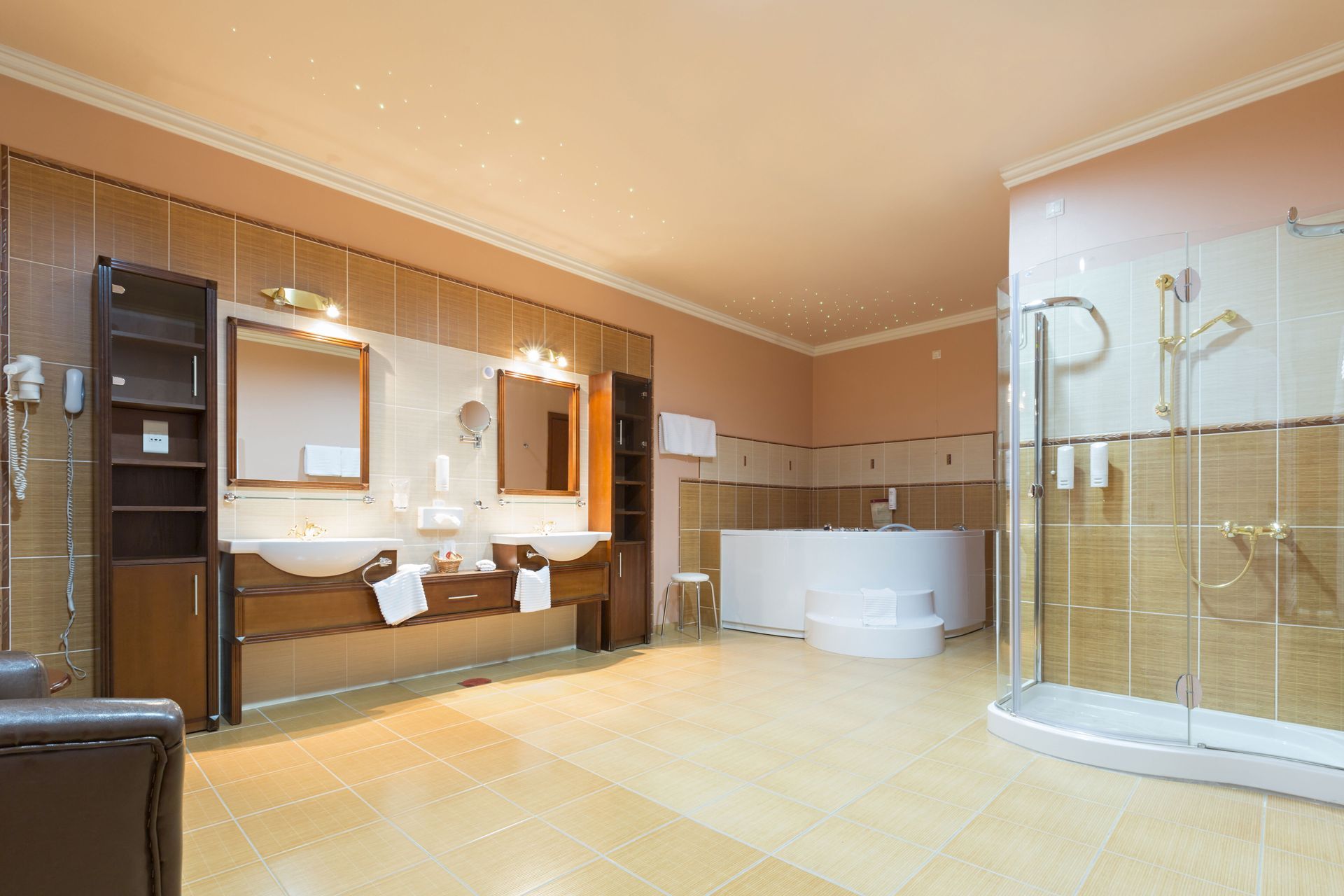
When remodeling a home, few rooms demand as much careful attention as the bathroom. Creating a secure space requires a thoughtful approach to the materials you choose, especially the surfaces you walk on daily. A smooth surface might look sleek, but when moisture is introduced, it becomes a severe hazard. Finding the perfect balance between visual appeal and practical safety is the cornerstone of any successful renovation. Homeowners must examine how different materials perform under wet conditions to ensure they make the safest choice possible. Upgrading this room is also a smart financial decision. According to Investopedia, a bathroom remodel can yield a 66% ROI. The foundation of this incredible investment is the flooring you select. The right flooring elevates the overall design and drastically reduces slipping risks, ensuring a space that is completely secure.
Prioritizing Safety In Wet Environments
Every homeowner wants a relaxing oasis to unwind, but a bathroom is a high-risk area for falls. Steam from showers settles onto surfaces, splashes from the sink reach the ground, and wet feet traverse the room. Because moisture is unavoidable, safety must be the focus of your design project. Selecting the appropriate flooring plays a crucial role in mitigating risks. When walking on a damp surface, friction is significantly reduced, leading to accidents. Therefore, your flooring must possess innate characteristics that provide grip even when coated in moisture. It is vital to evaluate how a material feels underfoot when wet, rather than just admiring its dry appearance. By making safety the guiding principle, you build a secure environment that protects your household while remaining stylish.
Understanding Slip Resistance Characteristics
Slip resistance is the defining factor in how safe a surface remains when exposed to water. This characteristic is determined by the texture and finish of the material. A surface with higher slip resistance offers more grip, preventing feet from sliding unexpectedly. When evaluating flooring options, you must pay close attention to the tactile nature of the product. Smooth, polished surfaces reflect light beautifully but offer little resistance when wet. Instead, you need materials featuring subtle grooves, ridges, or a rough texture to create friction against bare feet. This added friction acts as a stabilizing force, anchoring you safely as you move throughout the bathroom. Manufacturers design specific flooring explicitly for wet environments, enhancing texture without compromising visual appeal. It is essential to engage with these textured options and understand how they interact with moisture. A material that feels slightly coarse dry will often provide the perfect grip when damp. Understanding these traits helps you make an educated choice impacting daily safety.
Exploring Luxury Vinyl Capabilities
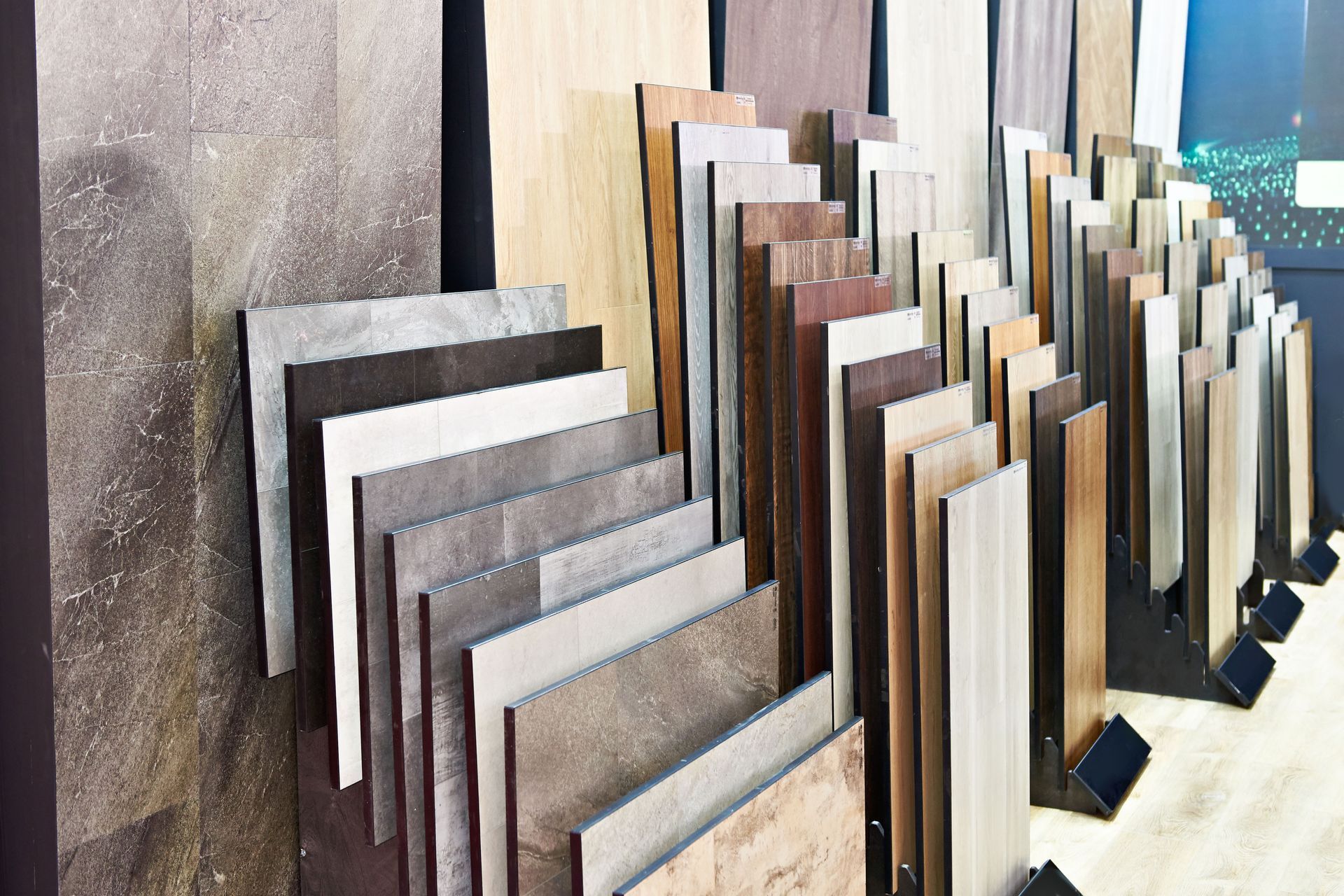
An incredibly versatile choice for a damp space is luxury vinyl flooring. This material transforms how homeowners approach bathroom design because it combines remarkable durability with impressive safety features. High-quality luxury vinyl is entirely waterproof, meaning it will never warp, swell, or suffer damage when exposed to puddles or high humidity. Beyond water resistance, luxury vinyl flooring can be manufactured with embossed textures mimicking the natural grain of wood or clefts of stone. These embossed finishes provide a crucial layer of slip resistance by creating a textured surface that grips the foot. Because it is slightly softer underfoot than rigid stone, luxury vinyl offers a comfortable walking experience, which is a bonus when frequently barefoot. The wide array of available styles means you do not have to sacrifice your vision to achieve a safe environment. You enjoy the rich look of natural materials while benefiting from the advanced slip-resistant qualities making luxury vinyl an excellent option.
Considering Textured Tile Advantages
Tile has long been a staple in bathroom design, largely due to its incredible resilience and classic beauty. However, when focusing on safety, not all tile flooring is created equal. The key to utilizing tile in a wet space is opting for textured or matte finishes rather than glossy, polished varieties. Textured tile provides an abrasive surface that significantly increases traction, drastically reducing the likelihood of slipping. Materials like porcelain or ceramic are crafted with a slightly roughened face that grips effectively, even when splashed with soapy water. Additionally, the installation process of tile contributes to its slip resistance. The grout lines between individual tiles act as natural channels for water to drain and provide extra grip for your feet. Small tiles mean abundant grout lines, translating to a slip-resistant surface perfect for shower areas. Choosing a textured tile flooring ensures you implement a long-lasting, water-impervious surface that actively works to keep you stable.
Evaluating Material Water Resistance
While slip resistance addresses the immediate physical danger of a wet floor, water resistance addresses the longevity and structural integrity of the flooring itself. A safe bathroom must have a solid foundation, and a floor that absorbs water will eventually fail, creating uneven surfaces that become tripping hazards. When moisture seeps into a porous material, it causes warping, buckling, and mold growth, all compromising the safety of the room. Therefore, evaluating the waterproof capabilities of your flooring is an indispensable step in the selection process. The material must repel water entirely, ensuring spills and humidity stay on the surface where they can be wiped away. Products engineered specifically for high-moisture environments maintain their shape and stability year after year, providing a consistent, level surface for walking. By ensuring your flooring is completely impervious to water, you protect the subfloor beneath and maintain structural soundness. A floor resisting water damage is fundamentally safer and more reliable.
Avoiding High Gloss Finishes
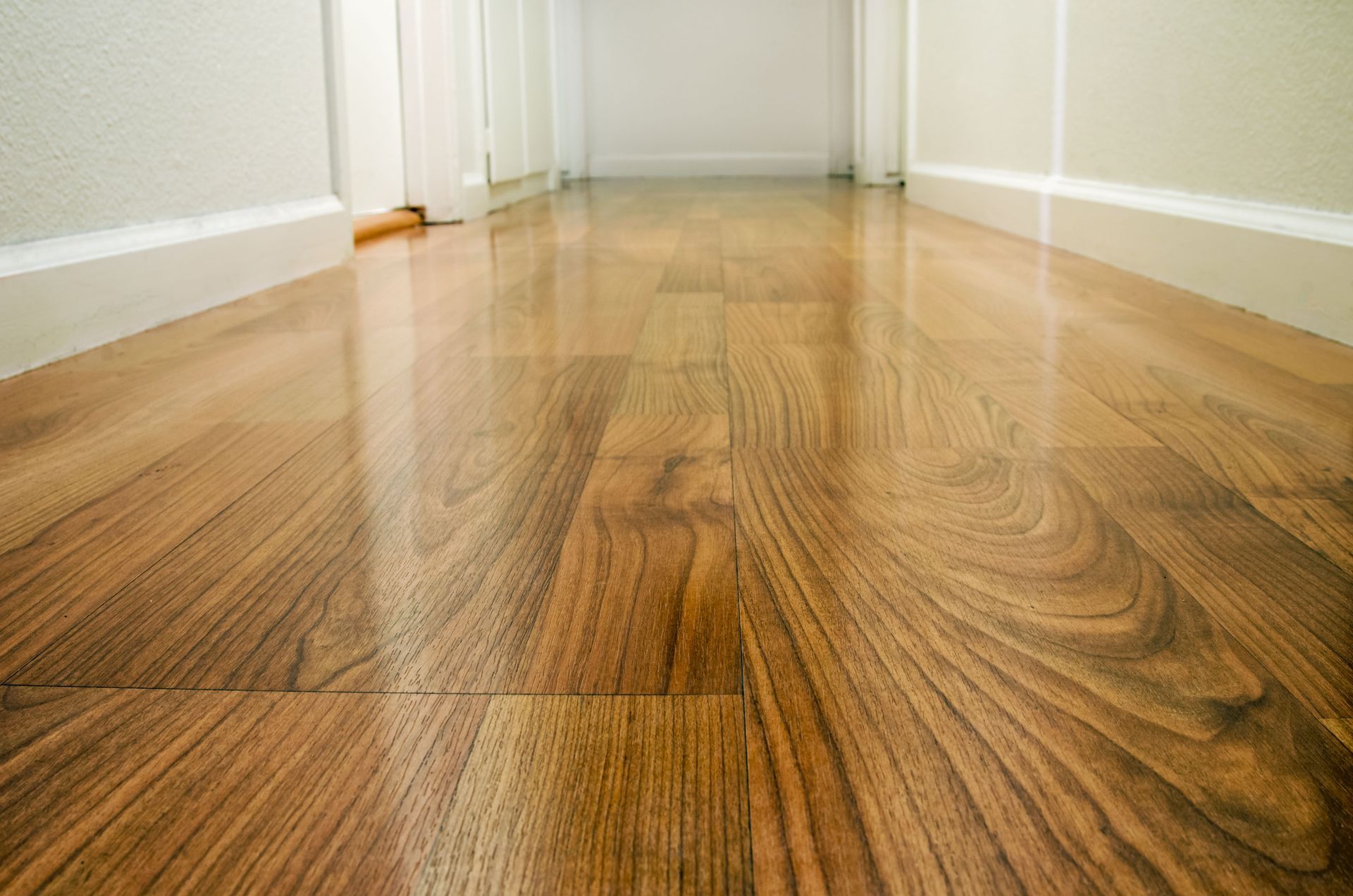
The allure of a high-gloss finish is easy to understand. It catches the light, makes a room feel brighter, and often implies a sense of pristine cleanliness. However, in a bathroom setting, high-gloss flooring is a dangerous choice that should be strictly avoided. The same smooth surface creating that brilliant shine also creates a frictionless environment when wet. Even the slightest amount of condensation can turn a glossy floor into a severe slipping hazard. When barefoot, there is absolutely no texture to grip, causing the foot to glide uncontrollably. Prioritizing safety means looking past the initial visual impact of a shiny surface and recognizing the practical dangers it presents. Matte or textured finishes absorb light rather than reflect it, offering the essential friction needed to walk securely. Sacrificing a glossy look is a minor trade-off for the substantial increase in safety. By purposefully avoiding slick flooring materials, you actively eliminate a highly common cause of bathroom accidents.
Integrating Design With Functionality
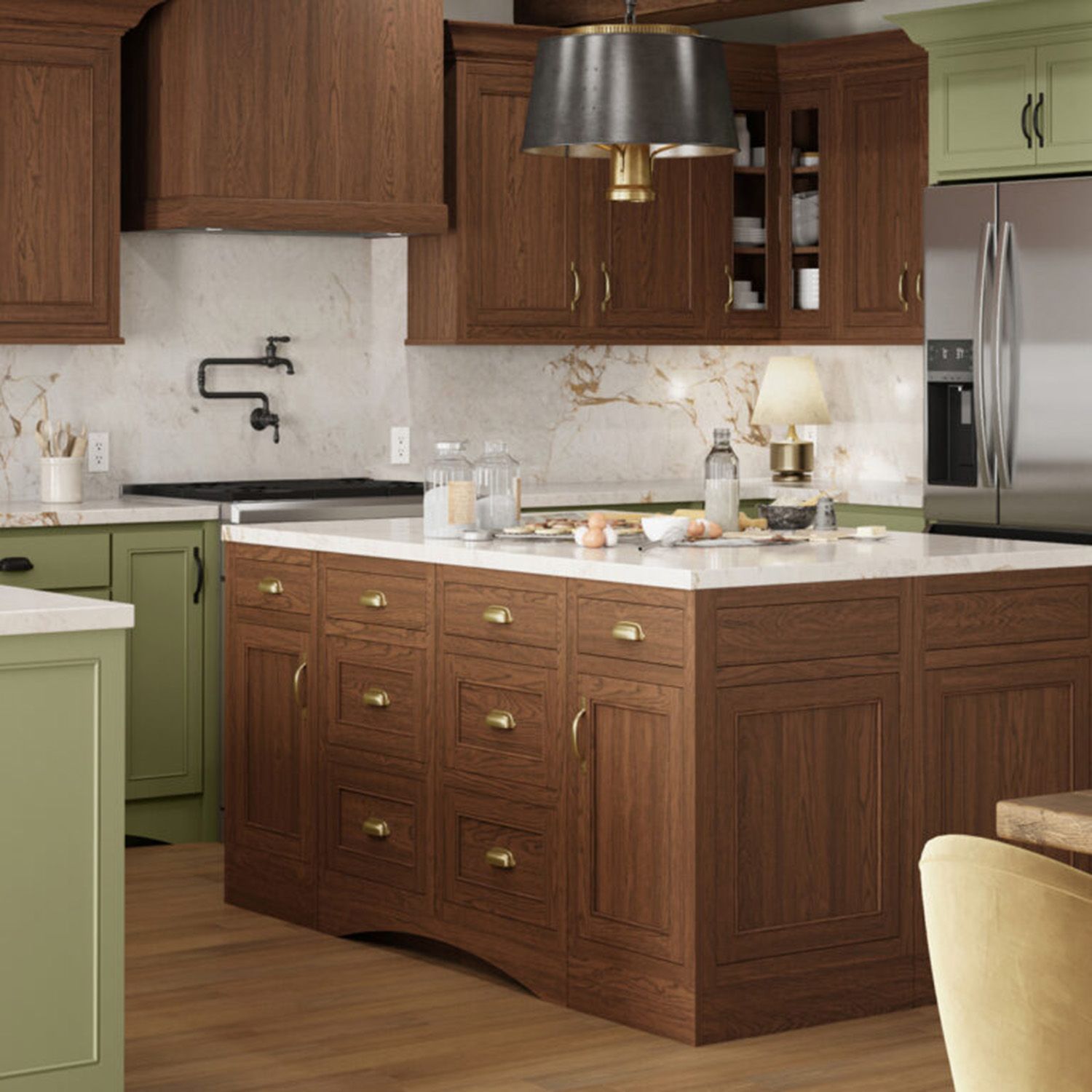
Creating a secure bathroom does not mean you are forced to build a clinical or uninviting space. Today, the flooring industry offers an abundance of options seamlessly integrating cutting-edge safety features with breathtaking design. You can achieve almost any aesthetic, from a rustic, earthy retreat to a crisp, contemporary spa, while still utilizing slip-resistant, waterproof materials. The key is to view functionality and design as complementary elements rather than competing interests. When you select a gorgeous, textured tile or beautifully embossed luxury vinyl flooring, you enhance the room's character while simultaneously embedding safety into its foundation. Color, pattern, and texture can all be leveraged to create a cohesive look masking the heavy-duty safety features beneath your feet. A well-designed bathroom looks effortless, hiding the careful planning and deliberate material choices making it function safely. By prioritizing high-quality flooring that marries style with secure technology, you craft a bathroom that is a joy to experience visually and completely safe to navigate daily.
When you upgrade your bathroom, the surface you walk on dictates the overall safety, longevity, and comfort of the space. Taking the time to carefully select materials that prioritize slip resistance is the most important step in any renovation project. A bathroom should always be a place of relaxation and rejuvenation, completely free from the constant worry of sudden slips or moisture damage. By choosing textured, durable, and waterproof options, you build a strong foundation protecting your household while elevating the beauty of your entire home. You deserve a space that flawlessly combines stunning aesthetics with essential safety features. If you are ready to transform your bathroom into a secure, elegant retreat, call Summit Design Center today to learn more.