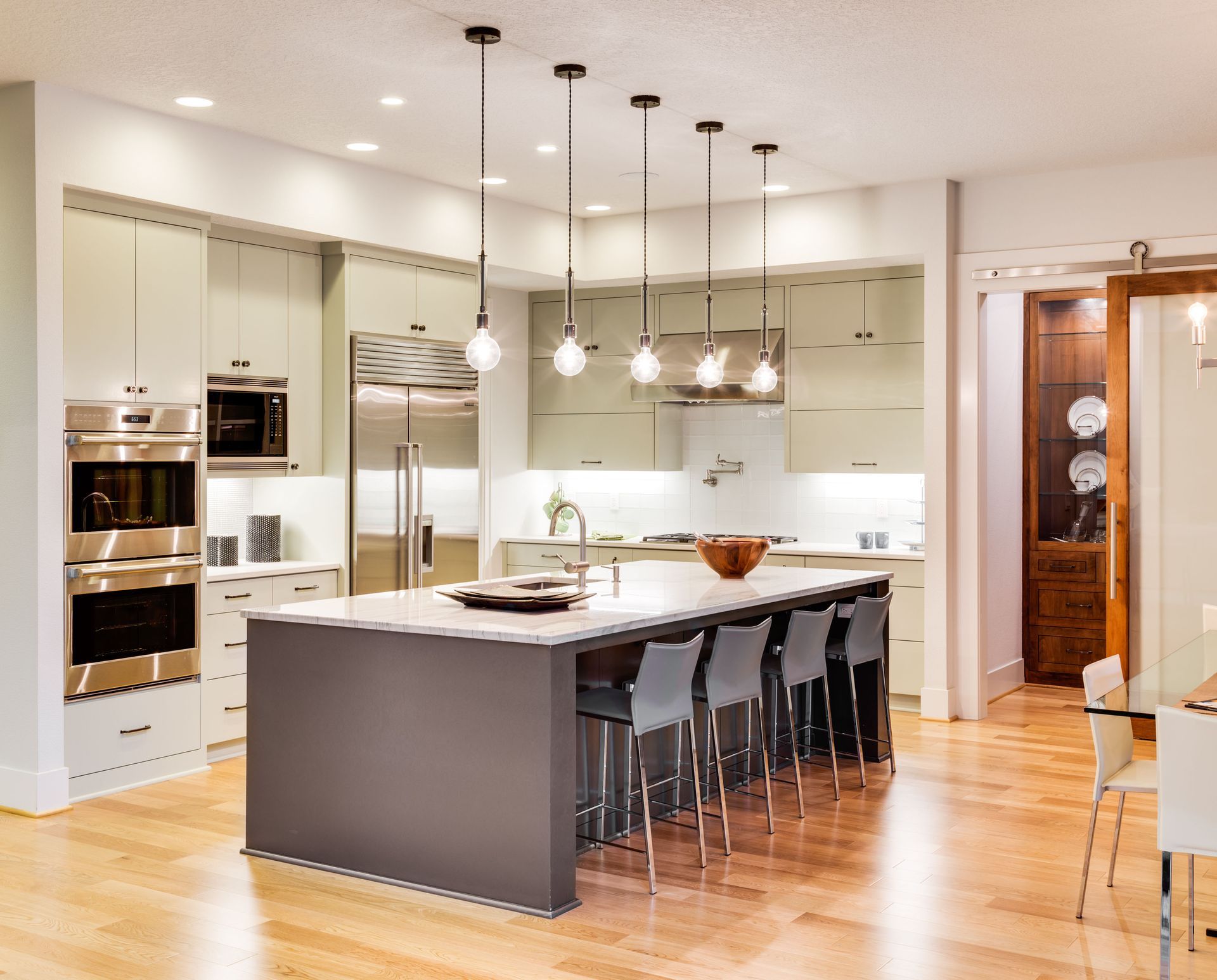
Transform Your Home with Beautiful New Flooring
Updating the surfaces beneath your feet can completely change the character of your home. New flooring can make rooms feel brighter, warmer, larger, or more refined while also improving comfort and everyday function. Because it covers so much visual space, it often becomes the foundation for the rest of the interior design. The right material can connect adjoining rooms, highlight furniture, and help a home feel more cohesive. Before selecting a product, homeowners should think about lifestyle, durability, maintenance, color, texture, and budget so the finished result looks attractive and performs well for years.
Defining Your Design Direction
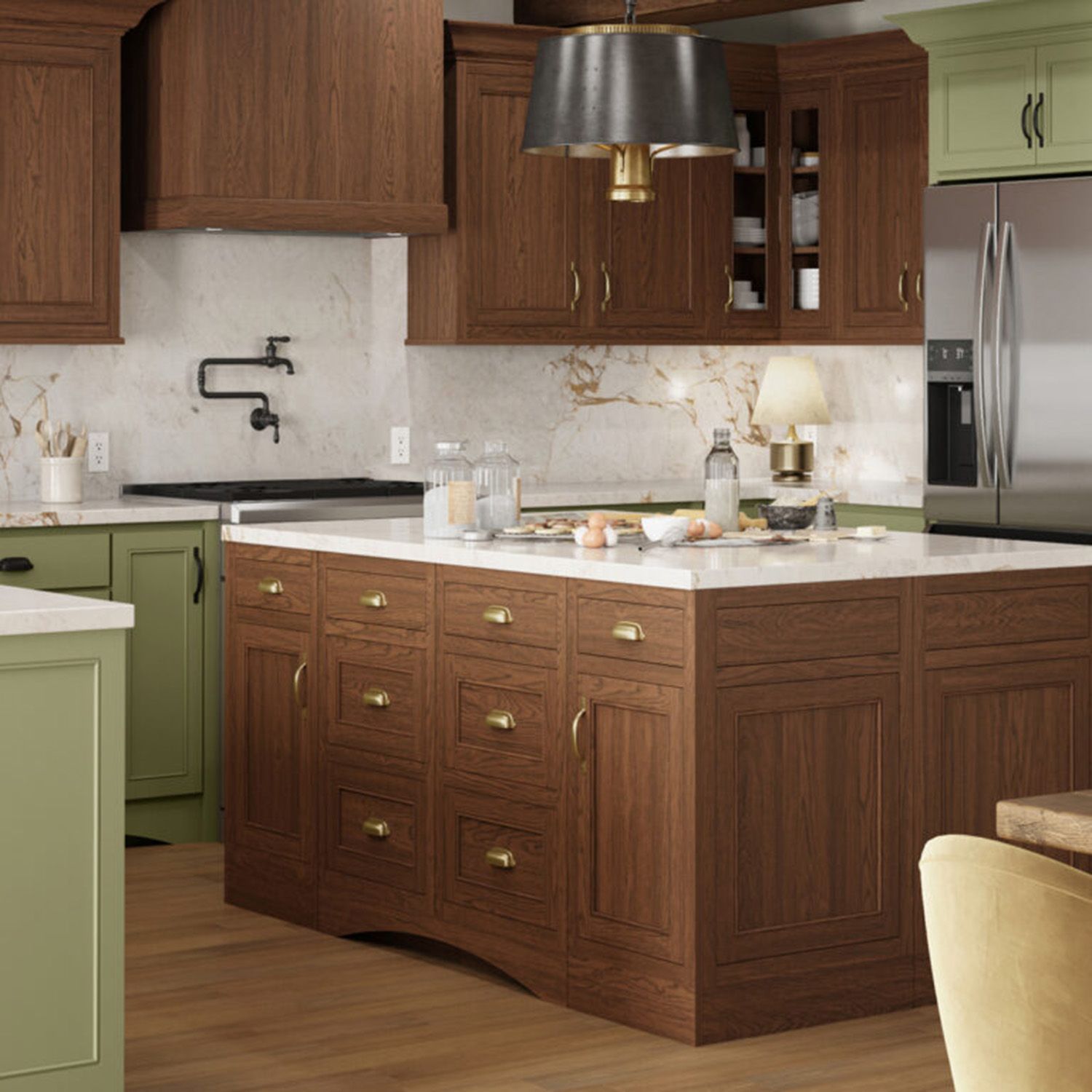
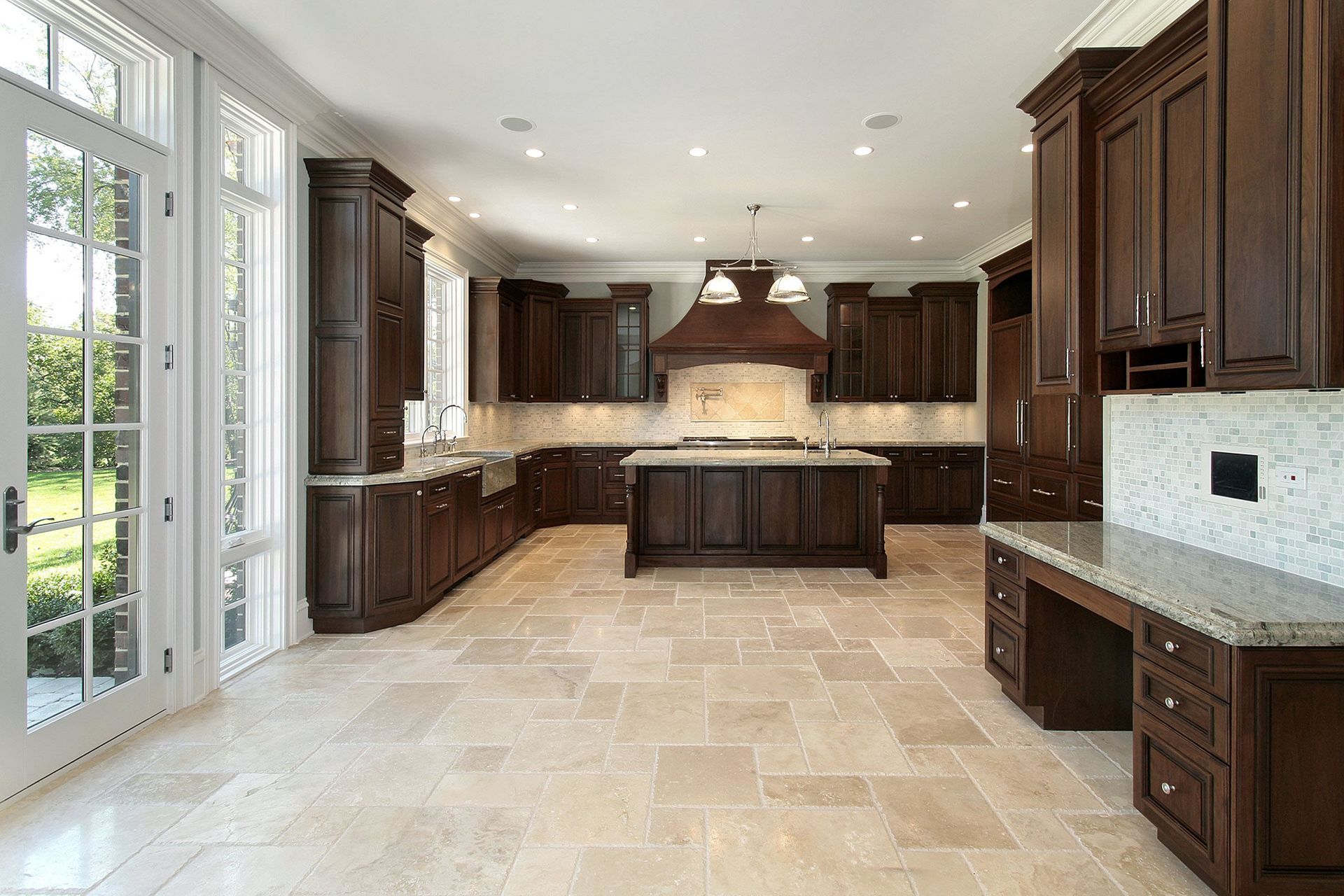
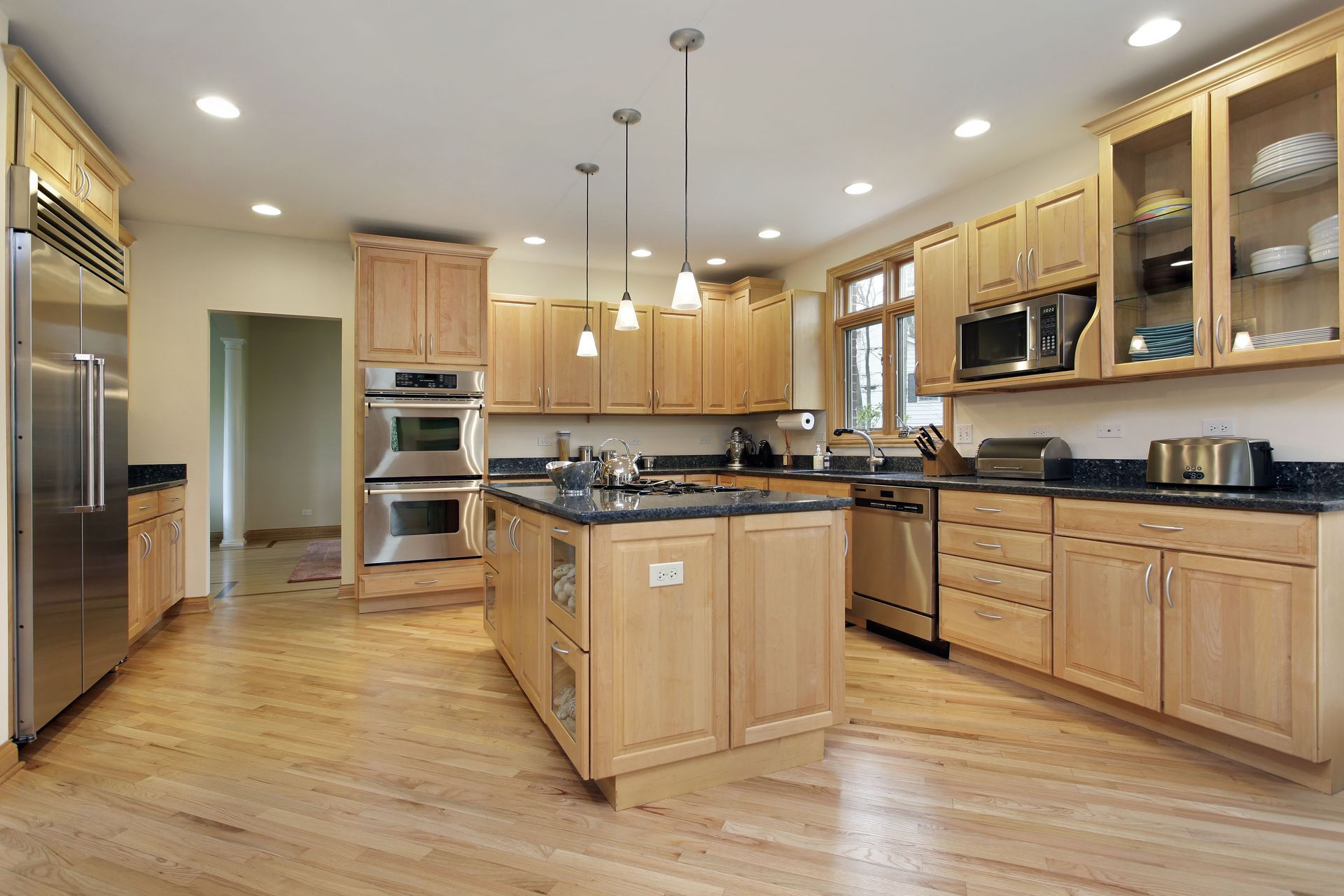
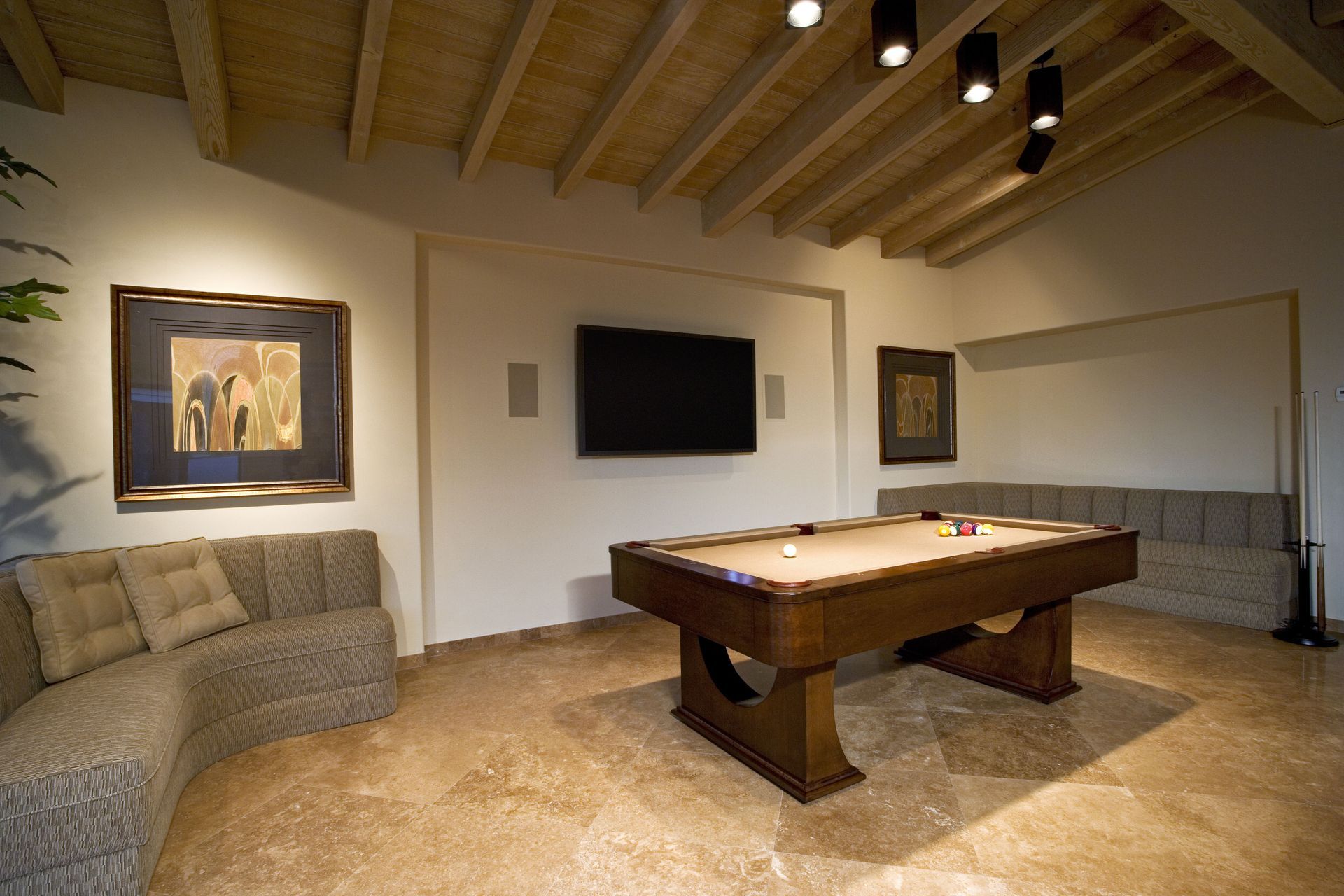
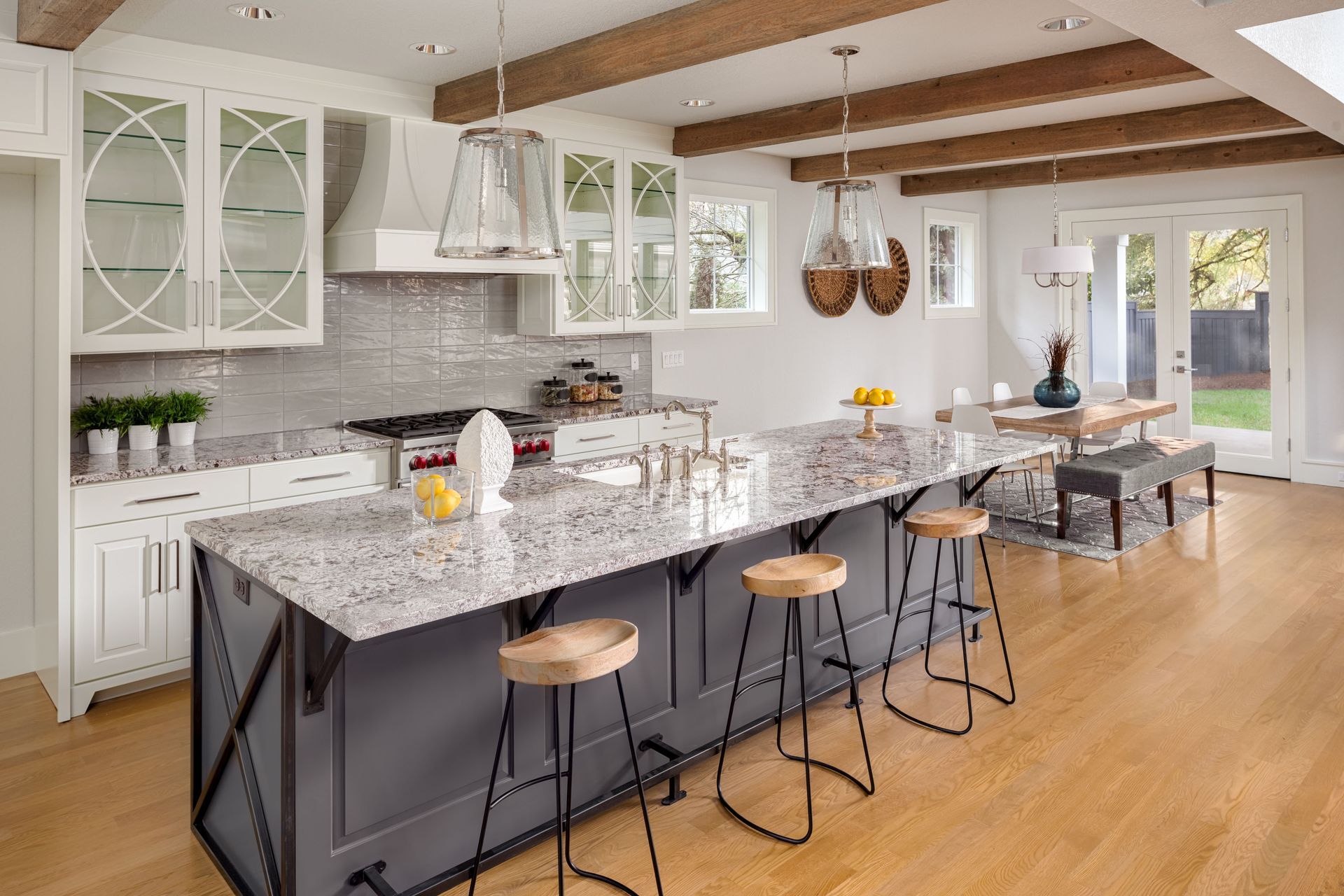
Every successful home update begins with a clear sense of style. Some homeowners prefer the clean lines of contemporary interiors, while others want the warmth of traditional or rustic spaces. Looking at existing cabinets, wall colors, trim, furniture, and natural light can help narrow the options. Pale surfaces may create an airy atmosphere, while deeper tones can add drama and contrast. Wide planks, patterned tile, and subtle textures each make a different visual statement, so the best choice should support the overall mood you want to establish.
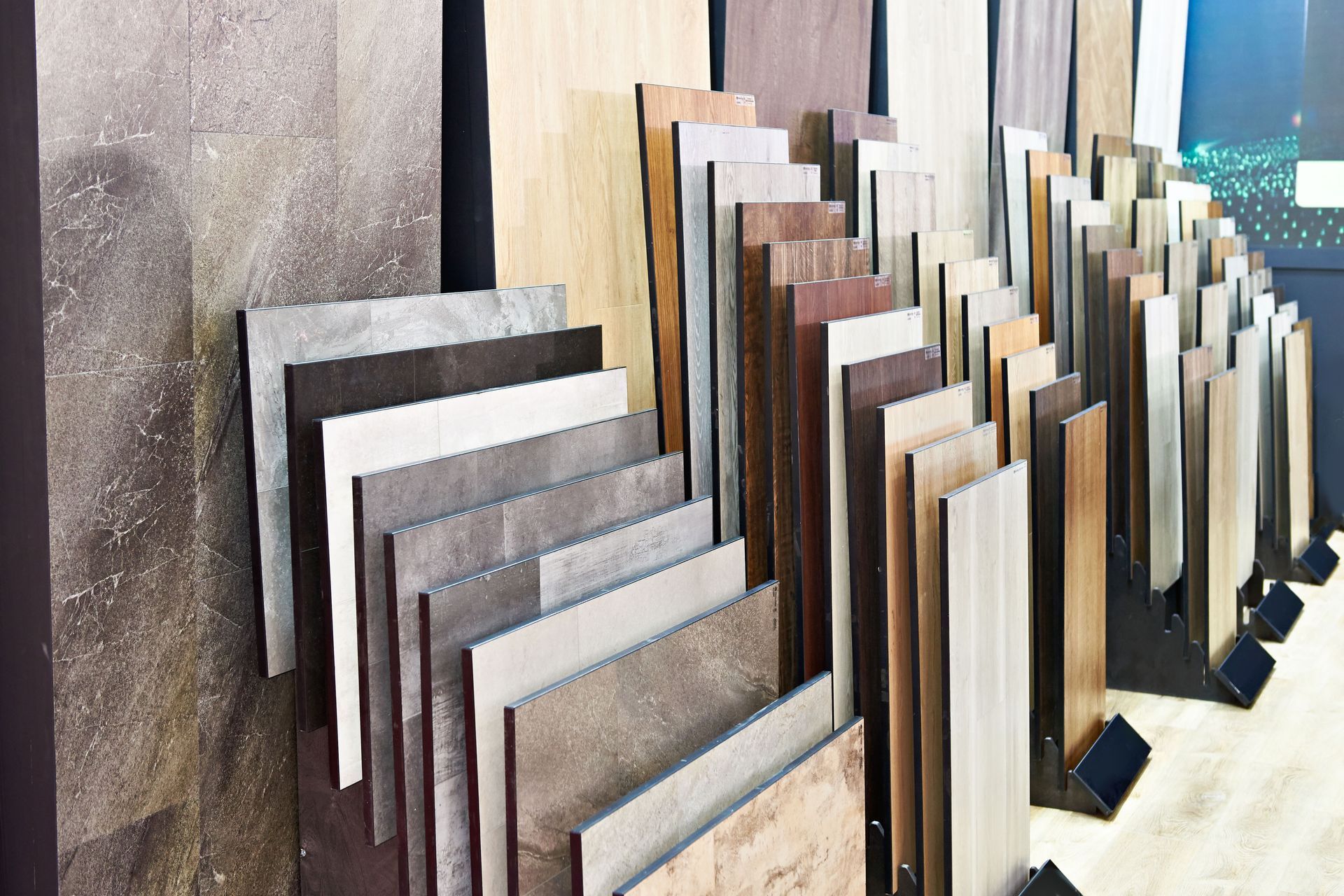
It is also important to think beyond a single room. Materials do not have to match throughout the entire home, but transitions should feel intentional. Similar undertones, complementary colors, and consistent proportions can help different areas flow together. A design center can provide samples that allow you to compare finishes in your own lighting. Viewing those samples at different times of day can reveal how sunlight, lamps, and shadows change their appearance and help prevent surprises after installation.
Comparing Popular Material Options
Homeowners have access to a broad range of materials, each with its own strengths. Hardwood offers natural beauty and long-term appeal, while engineered wood can provide greater stability in changing humidity. Laminate offers the look of wood or stone at a lower price point, and tile delivers excellent durability in high-use areas. Carpet adds softness, warmth, and sound absorption, making it especially appealing in bedrooms and family spaces. Luxury vinyl combines realistic visuals with resilience, giving households another versatile option.
According to Architectural Digest, many homeowners choose vinyl flooring for kitchens, bathrooms, and laundry rooms due to its 100% waterproof construction, unlike traditional hardwood flooring. That level of moisture resistance can be valuable in rooms where spills, splashes, and humidity are common. However, water resistance is only one consideration. Homeowners should also compare comfort underfoot, repair options, expected lifespan, installation requirements, and the way each product complements surrounding finishes. Balancing all of these factors leads to a choice that fits both practical needs and design goals.
Matching Materials to Each Room
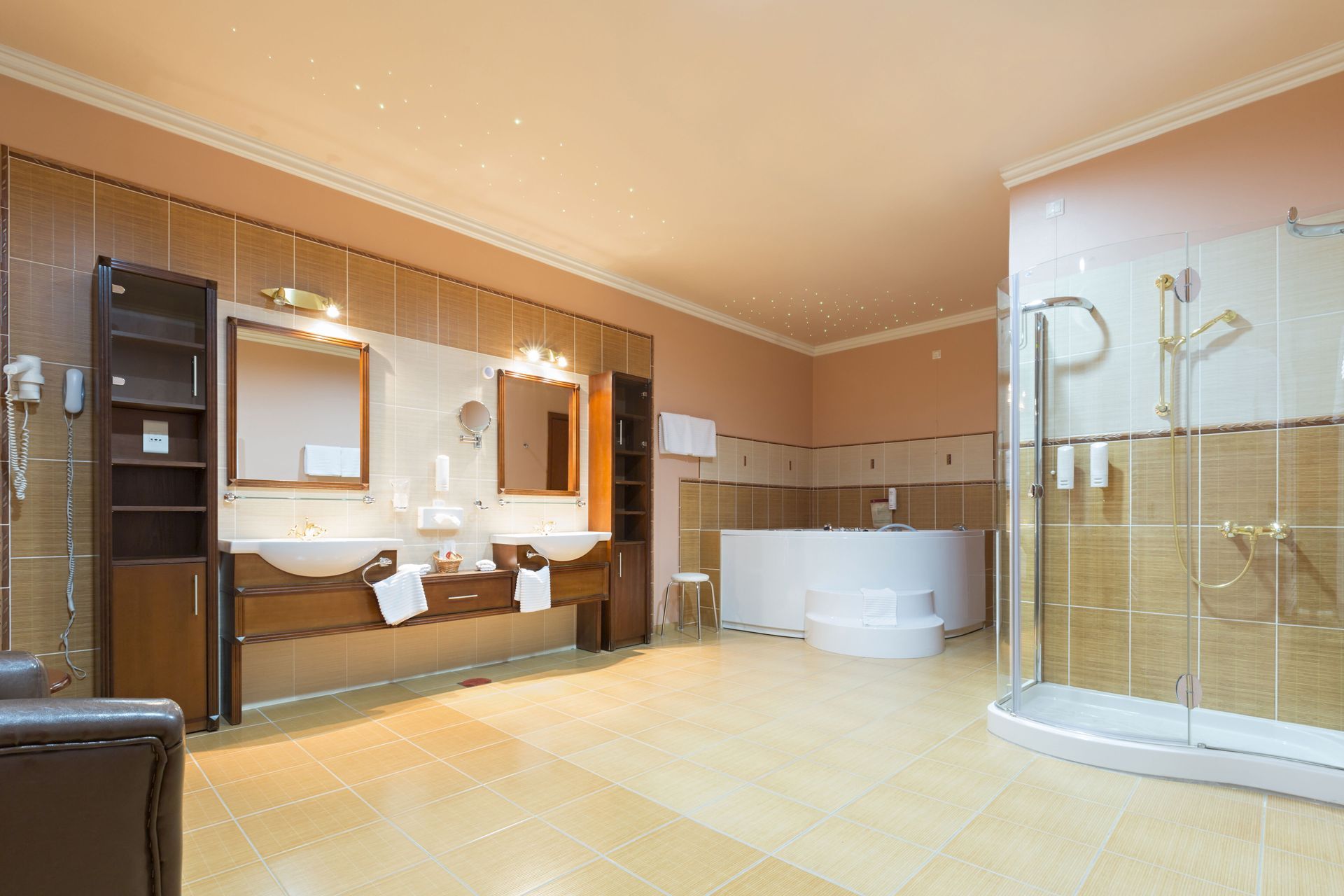
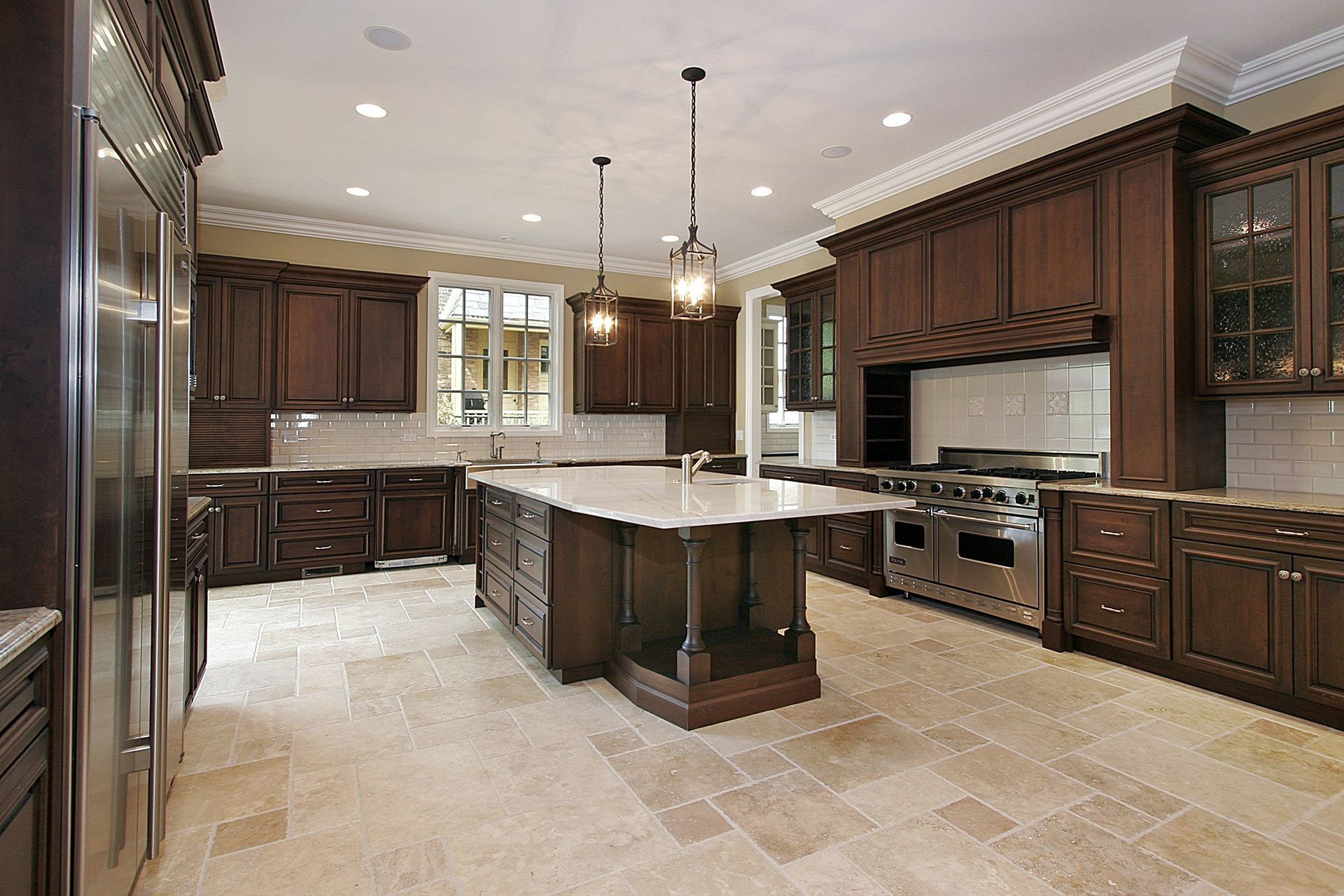
Different rooms place different demands on the surfaces within them. Entryways need materials that can handle dirt, moisture, and frequent foot traffic. Kitchens benefit from options that are easy to clean and comfortable enough for long periods of standing. Bedrooms often call for warmth and softness, while bathrooms require dependable moisture resistance. A single material may work across several spaces, but there are also times when using distinct products creates a better combination of performance and comfort.
Household routines should guide these decisions. Families with young children may prioritize stain resistance and easy cleanup, while pet owners may look for scratch resistance and strong traction. People who entertain frequently may want a surface that stays attractive under heavy use. Those who work from home might value sound control in an office. By considering what actually happens in each room, homeowners can choose flooring that supports daily life instead of selecting a product based only on appearance.
Balancing Beauty and Durability
A beautiful surface should continue to look good after years of normal use. Durability depends on the material, finish, construction, and quality of installation. Some products tolerate scratches and dents better than others, while certain finishes make minor wear less noticeable. Texture, color variation, and pattern can also help conceal dust or small imperfections. Asking about wear layers, warranties, refinishing possibilities, and recommended use areas can provide a clearer picture of long-term performance.
It is helpful to be realistic about the amount of care a product requires. Natural materials may develop character over time, but they can need more protection from moisture or scratches. Highly polished finishes may show footprints more easily than matte surfaces. Light colors can brighten a space, while dark colors may reveal dust sooner. Choosing flooring that aligns with your cleaning habits and tolerance for visible wear can help you remain satisfied with the investment long after the initial transformation.
Planning Your Project Budget
Material price is only one part of the overall project cost. Homeowners should also account for removal of existing surfaces, disposal, subfloor repairs, underlayment, trim, transitions, delivery, and labor. Stairs, irregular room shapes, and custom patterns can increase the amount of time and material required. Setting a realistic budget from the beginning makes it easier to compare options fairly and reduces the likelihood of unexpected expenses once work begins.
It may be worthwhile to spend more in heavily used areas while choosing economical options in rooms with less traffic. Quality installation can also protect the value of the material by reducing gaps, uneven areas, or premature wear. A design professional can explain where upgrades offer meaningful benefits and where simpler selections may perform just as well. The goal is not necessarily to choose the most expensive flooring, but to invest wisely in the features that matter most to your household.
Preparing for Professional Installation
Proper preparation helps an installation proceed smoothly. Before work begins, homeowners may need to move furniture, clear closets, remove fragile items, and make arrangements for pets or children. Installers may also need access to electrical outlets, entry doors, and areas where materials will be stored. Depending on the product, materials might need time to acclimate to the temperature and humidity of the home before they are installed.
The condition of the subfloor is equally important. Uneven areas, moisture concerns, squeaks, or damage should be addressed before the new surface goes down. Skipping this step can affect appearance, comfort, and longevity. Professional installers can evaluate the space, take accurate measurements, and identify issues that might not be visible during an initial walk-through. Careful preparation supports a cleaner finish and helps the new material perform as intended.
Maintaining Your Finished Spaces
Once installation is complete, routine care can protect the appearance of the home. Entry mats can capture grit before it travels indoors, and felt pads beneath furniture can reduce scratches. Spills should be cleaned promptly according to the manufacturer’s instructions. Regular sweeping or vacuuming prevents abrasive debris from building up, while approved cleaning products help preserve the finish. Following product-specific guidance is especially important because methods that work for one material may damage another.
Small habits can make a meaningful difference over time. Rotating rugs and furniture can help surfaces age more evenly, and controlling indoor humidity may reduce expansion or contraction in wood-based products. Homeowners should also keep extra pieces after installation in case a localized repair is needed later. With thoughtful maintenance, the finished surfaces can continue to enhance the home’s comfort, value, and style for many years.
Transforming your home begins with choosing flooring that supports both your design vision and your everyday needs. By considering style, room function, durability, cost, installation, and maintenance, you can make a confident decision that improves the entire interior. The right selection can refresh dated rooms, create smoother transitions, and give your home a more polished and welcoming appearance. For expert guidance, quality materials, and professional support throughout your project, contact Summit Design Center.